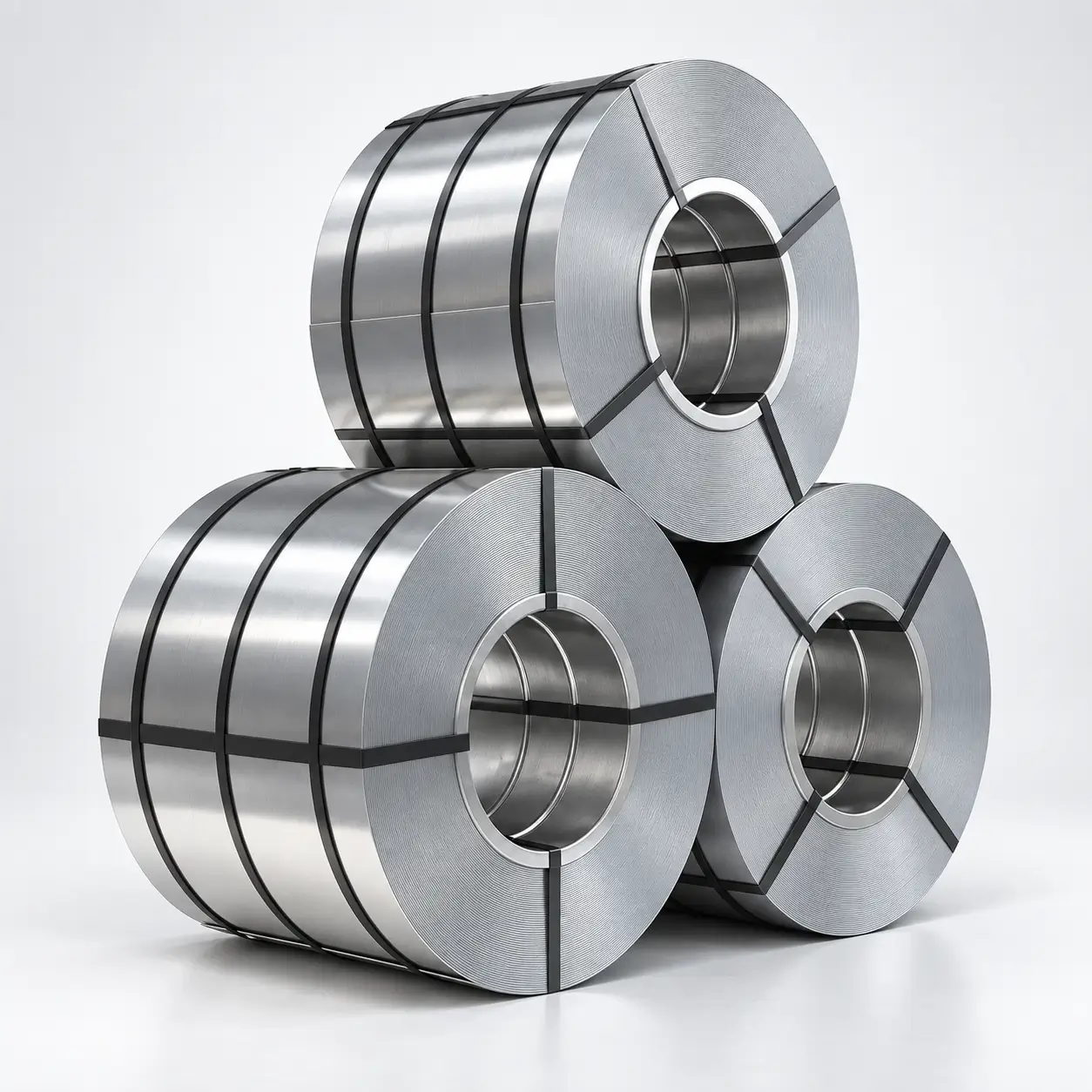
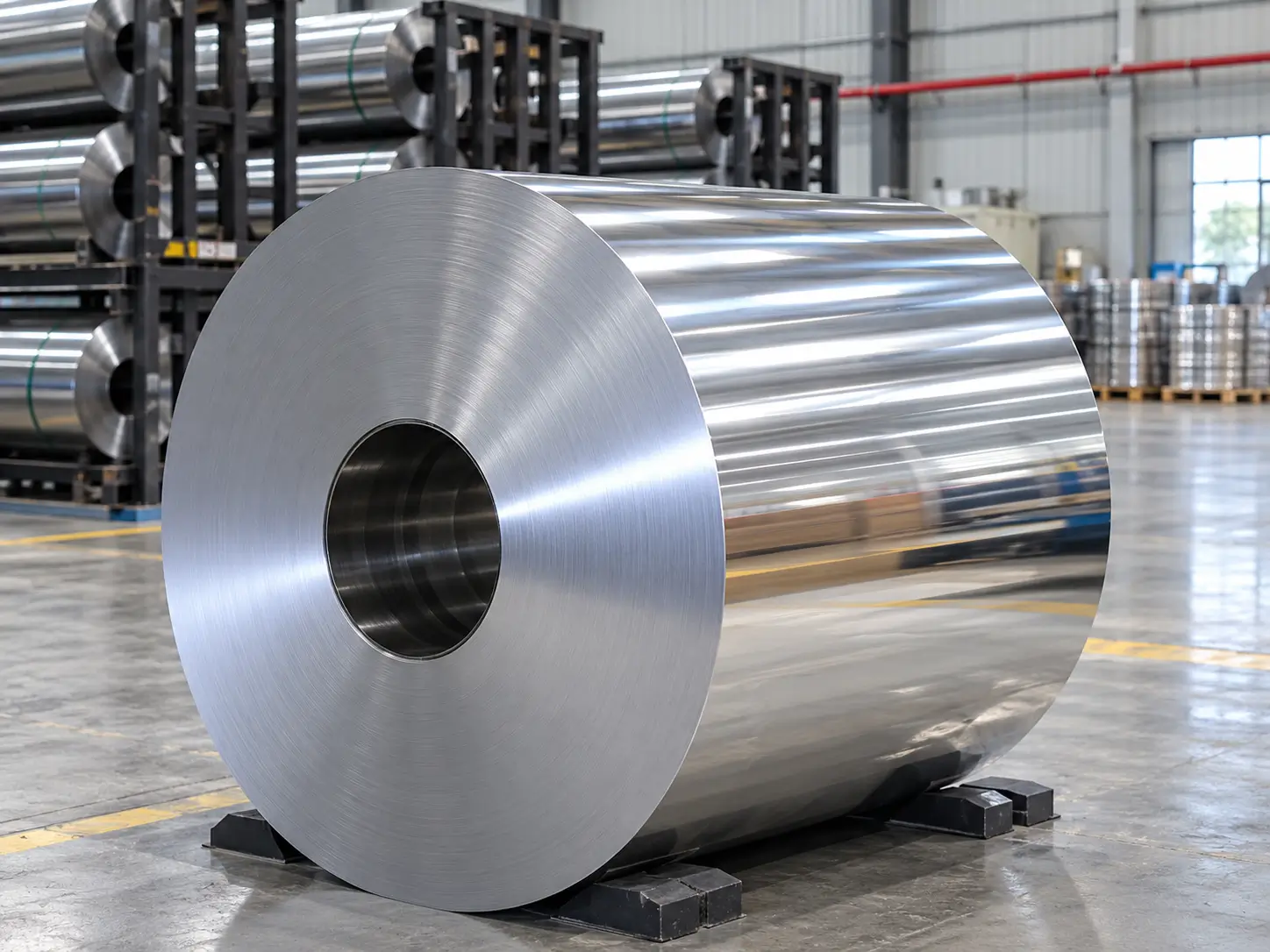
Master Titanium Coil
Specify: Grade · Condition · Thickness × width · Unit weight
Continuous flat-rolled material reviewed against the source width, downstream conversion route and order-specific acceptance basis.


Flat-Rolled Master Coil · Slit Strip · Cut Sheet
Specify grade, governing specification, condition, thickness, width, edge, coil ID/OD, unit weight, winding, inspection and documents before comparing quotations.
Product boundary: this page covers continuous flat-rolled titanium sheet and strip coil. Titanium tubing coils, heating elements, wire coils and springs require different specifications and are not represented by this page.
Titanium Coil Supply Forms
Master coil, slit strip, cut sheet and thin-gauge coil have different conversion, inspection, handling and packing requirements. The ordered form must match the customer’s downstream equipment.
Specify: Grade · Condition · Thickness × width · Unit weight
Continuous flat-rolled material reviewed against the source width, downstream conversion route and order-specific acceptance basis.
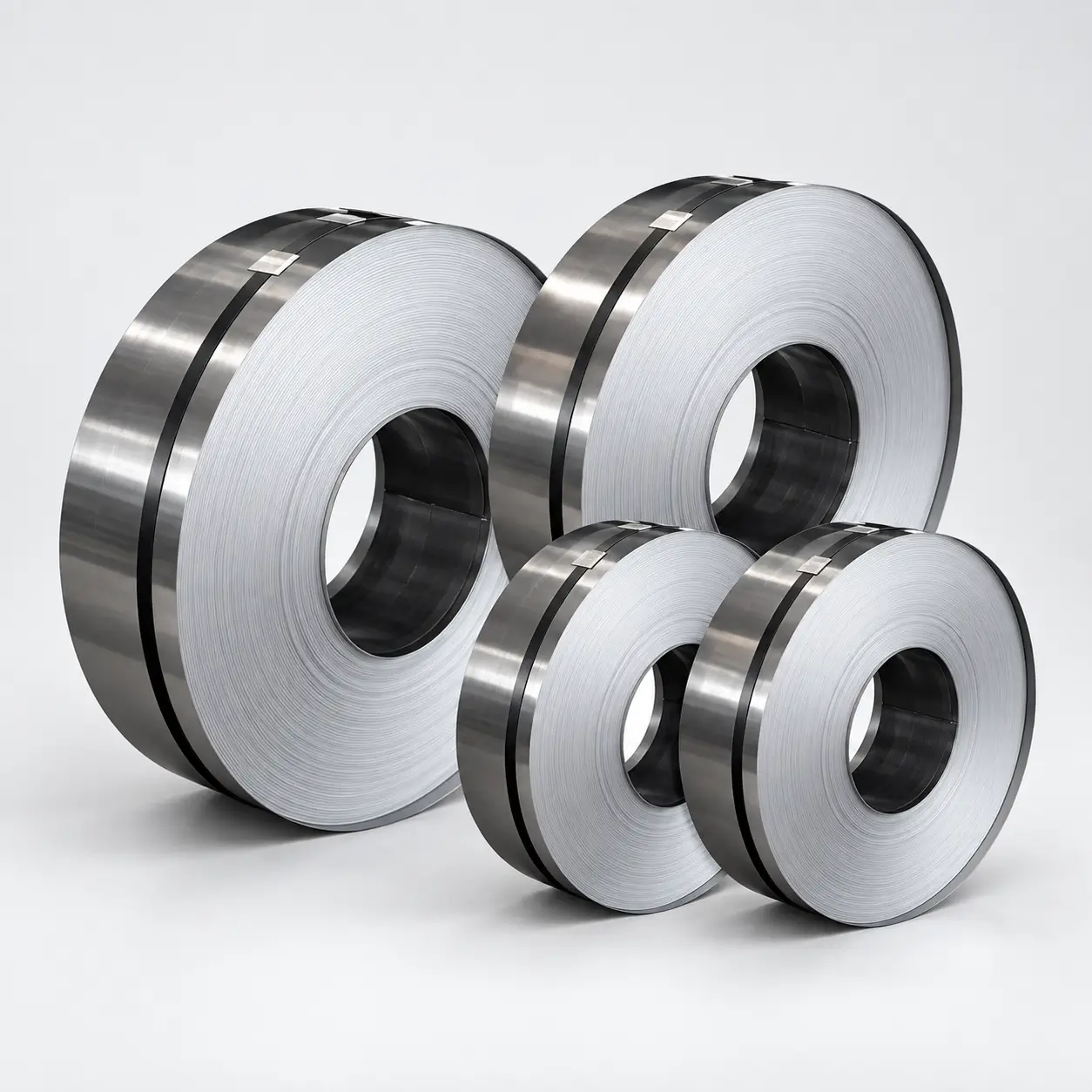
Specify: Final width · Tolerance · Burr · Camber · Edge
Slit child coils specified for the customer’s continuous feeding, forming or welding process and identified back to the parent material.
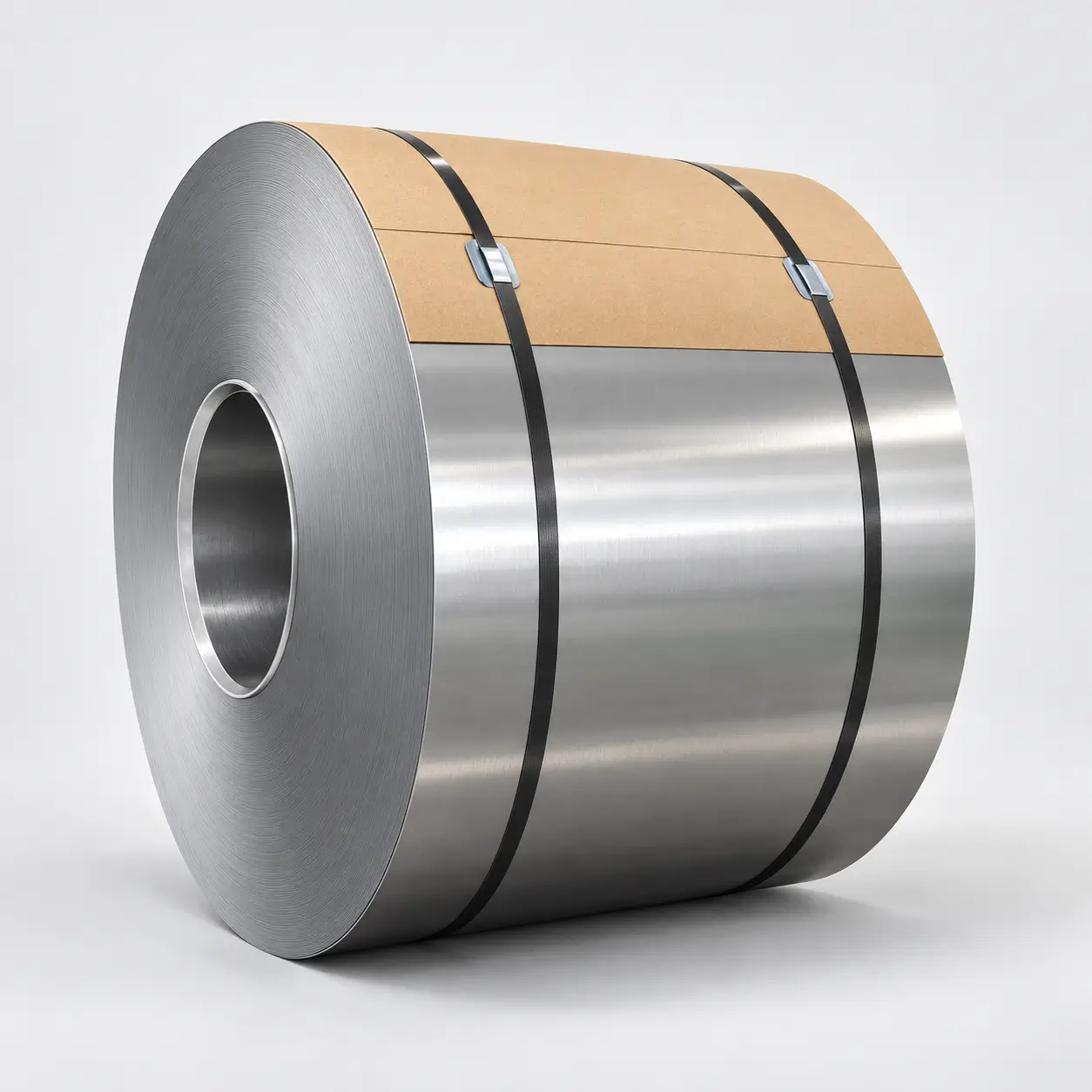
Specify: Thickness · Width × length · Flatness · Edge
Coil-derived sheet or blanks supplied against agreed dimensions, leveling, surface protection, inspection and packing.
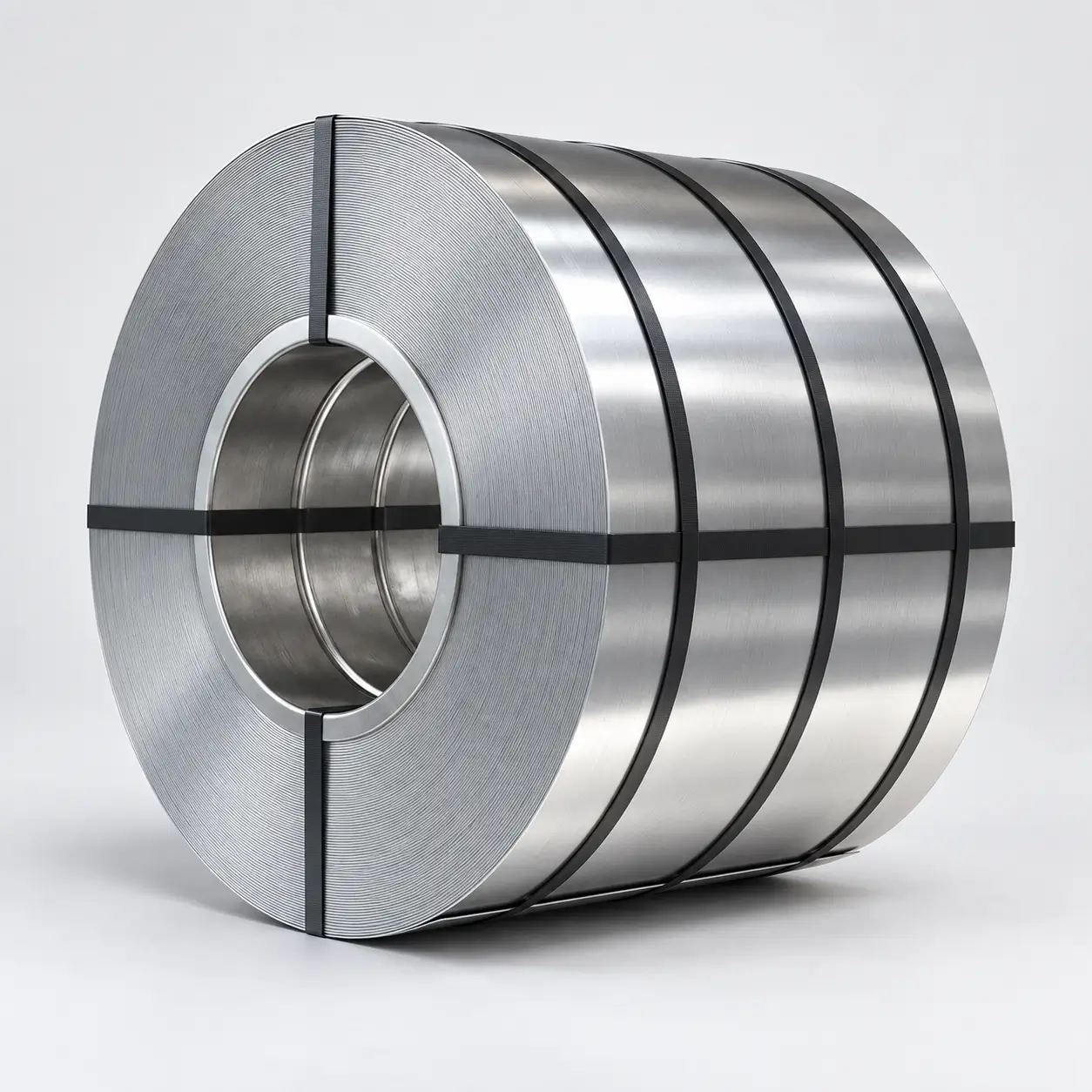
Specify: Gauge + unit · Width · Surface · Measurement plan
Thin-gauge continuous material reviewed separately because achievable width, tolerance, handling and evidence depend on the exact requirement.
Thickness, width, edge, coil configuration and availability are confirmed per quotation for each delivery form.
Supply Scope & Qualification
A broad range is not a capability guarantee. Thickness, width, grade, condition, tolerance and coil mass interact and must be reviewed as one combination.
| Order item | Required definition | Evidence or decision |
|---|---|---|
| Material | Grade/UNS, specification and revision, condition | MTC and heat/lot identity match the PO |
| Dimensions | Thickness and width with units and tolerances | Achievable combination and inspection plan confirmed |
| Edge and shape | Edge type, burr, camber, flatness or coil set | Method, sample frequency and acceptance stated |
| Coil configuration | Core/ID, maximum OD, unit weight, winding and splice policy | Compatible with handling and payoff equipment |
| Surface and packing | Finish, cleanliness, interleaving, eye orientation and crate | Functional criteria and protection plan aligned |
Capability values remain order-specific.
This version intentionally removes unverified universal thickness ranges, tolerances, stock statements, coil weights and response-time promises. Insert numeric values only after production, procurement and quality records support the exact combination.
Process Review
Match grade, heat/lot, specification, condition and source dimensions to the order.
Cold rolling, annealing, cleaning, slitting, leveling and cutting are carried out in our own facility; the agreed scope and inspection plan are recorded on the order.
Use agreed methods and sampling for dimensions, edge, shape, surface and coil geometry.
Align labels, MTC, inspection records, packing list and shipment identity.
Confirm eye-to-sky or eye-to-wall orientation, core support, restraints, edge protection, interleaving, moisture protection, lifting and crate requirements before release.
Application Review
Application labels do not replace product qualification. Each buyer should define the forming, welding, coating, corrosion, design and regulatory requirements that apply to the finished component.
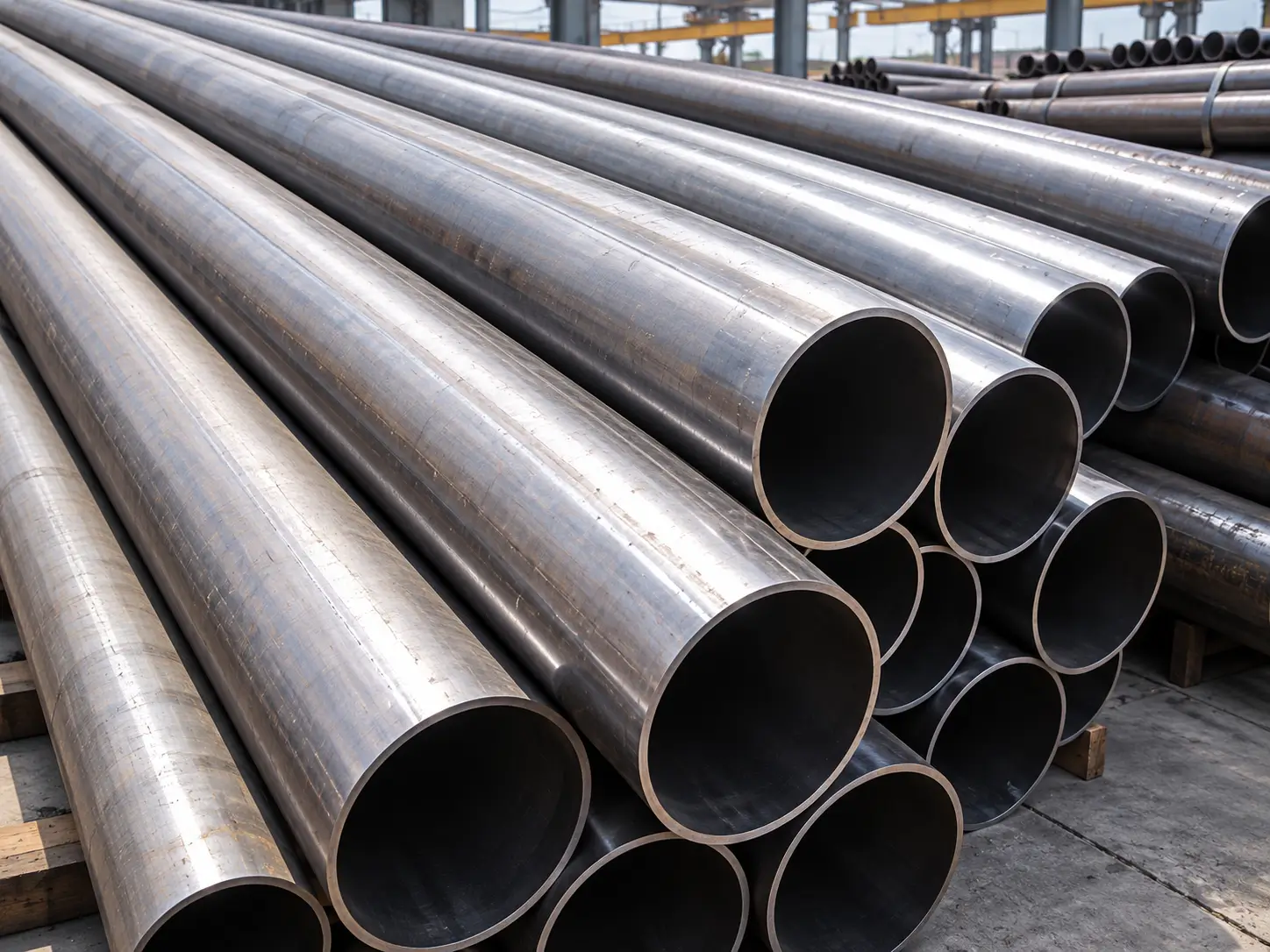
Confirm alloy, condition, width, edge, burr, camber, surface cleanliness and the customer’s welding qualification.
Review the related supply context →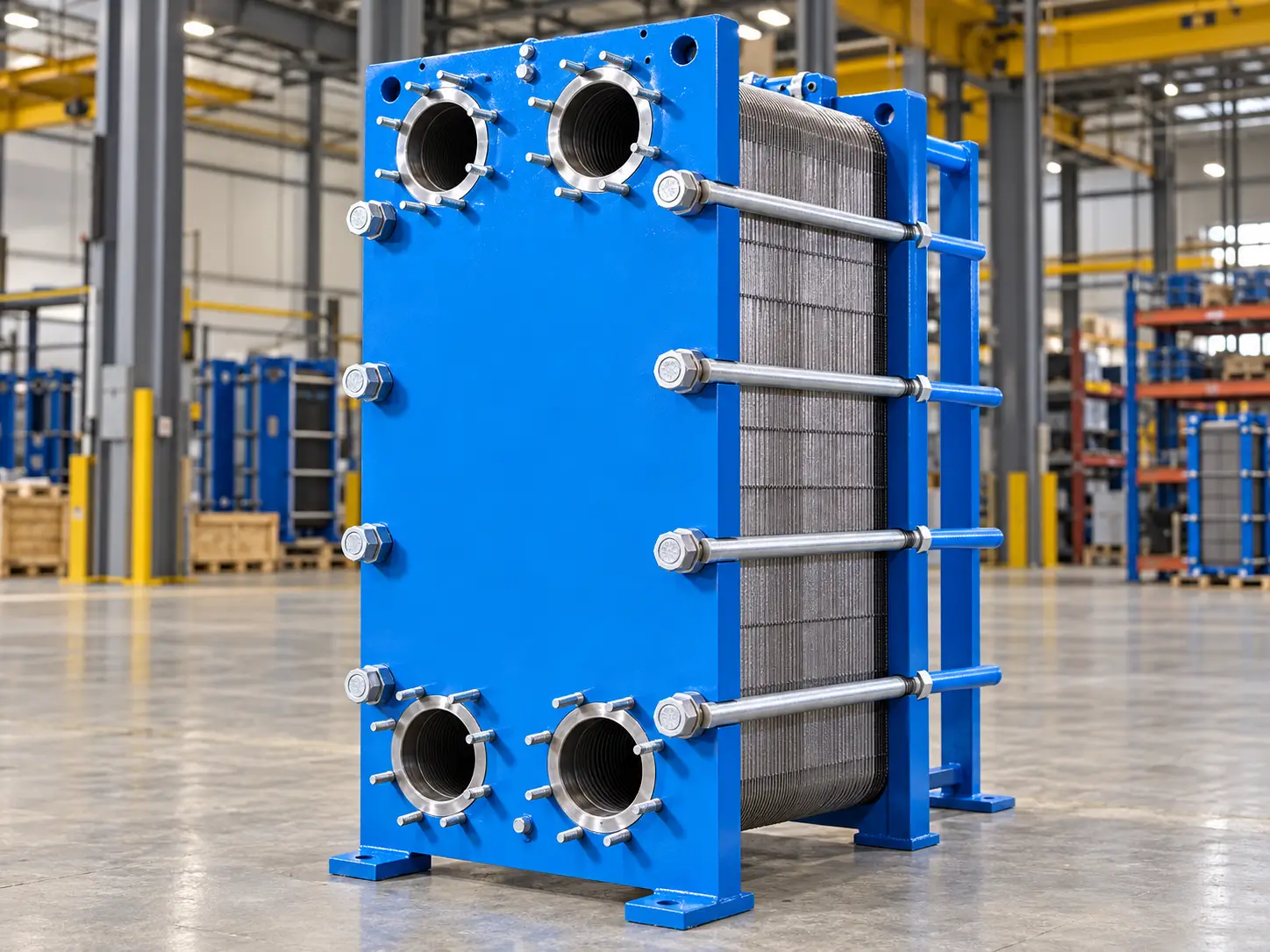
Confirm drawability, surface, thickness consistency, width, flatness and component-level forming qualification.
Review the related supply context →
Confirm media, temperature, component function, surface or coating interface and application-specific validation.
Review the related supply context →
Confirm media, concentration, temperature, fabrication route, design code and corrosion responsibility for the finished equipment.
Review the related supply context →Product Form Selection
A continuous flat product, cut sheet, foil, wire or tubing coil can require a different standard, geometry and quality plan.
Titanium Coil Purchase Guard
The detailed guide covers material identity, gauge-width capability, slitting, coil geometry, surface, inspection, traceability, packing, quotation comparison and change control.
Frequently Asked Questions
This page covers continuous flat-rolled titanium sheet and strip coil. It does not cover titanium tubing coils, heating elements, wire coils, springs or consumer products.
Provide grade, specification and revision, condition, thickness and tolerance, width and tolerance, master or slit form, edge, coil ID, maximum OD, unit weight, winding, surface, quantity, inspection, documents and packing.
No. ASTM B265 covers titanium and titanium-alloy strip, sheet and plate within its scope. Applicability depends on the ordered grade, condition, dimensions and edition specified on the purchase order.
Not always. The three parameters interact with thickness, width, core, handling and equipment limits. State the uncoiler interface and identify which values are fixed versus maximum or preferred.
Define final width and tolerance, edge type, burr direction and limit, camber, flatness or coil set where relevant, inspection method, sampling and report requirement.
No. They can depend on grade, source coil, gauge-width combination, annealing, slitting, inspection, unit weight and packing. Confirm them against the exact order basis.
Share the information currently available. Unknown parameters can remain open for review and confirmation.